PINE POLLEN EDUCATION
Clear, Evidence-Informed Guide to Pine Pollen
Understand what pine pollen is, how it is prepared, what current research does and does not show, and how to evaluate quality responsibly.
Pine Pollen, Explained
Receive new research summaries, practical guides and updates to our existing articles.
Start Here
New to pine pollen? Follow these four introductory guides to understand the botanical, compare common product forms and examine the available evidence.
STEP 1 - BASICS
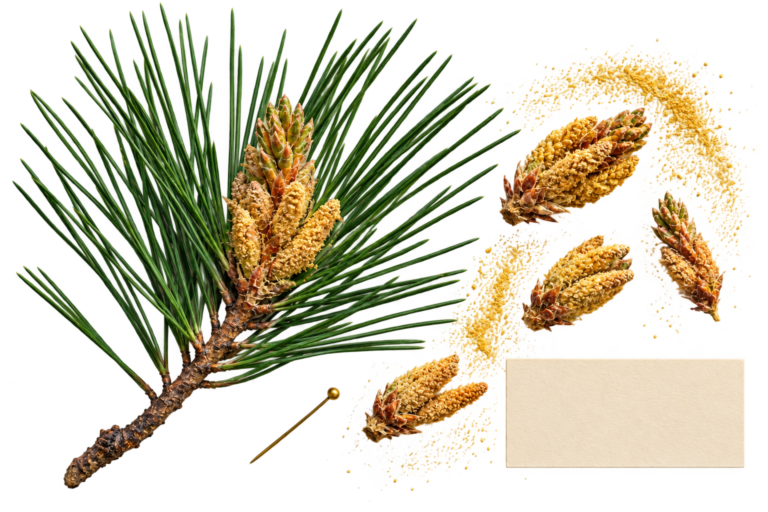
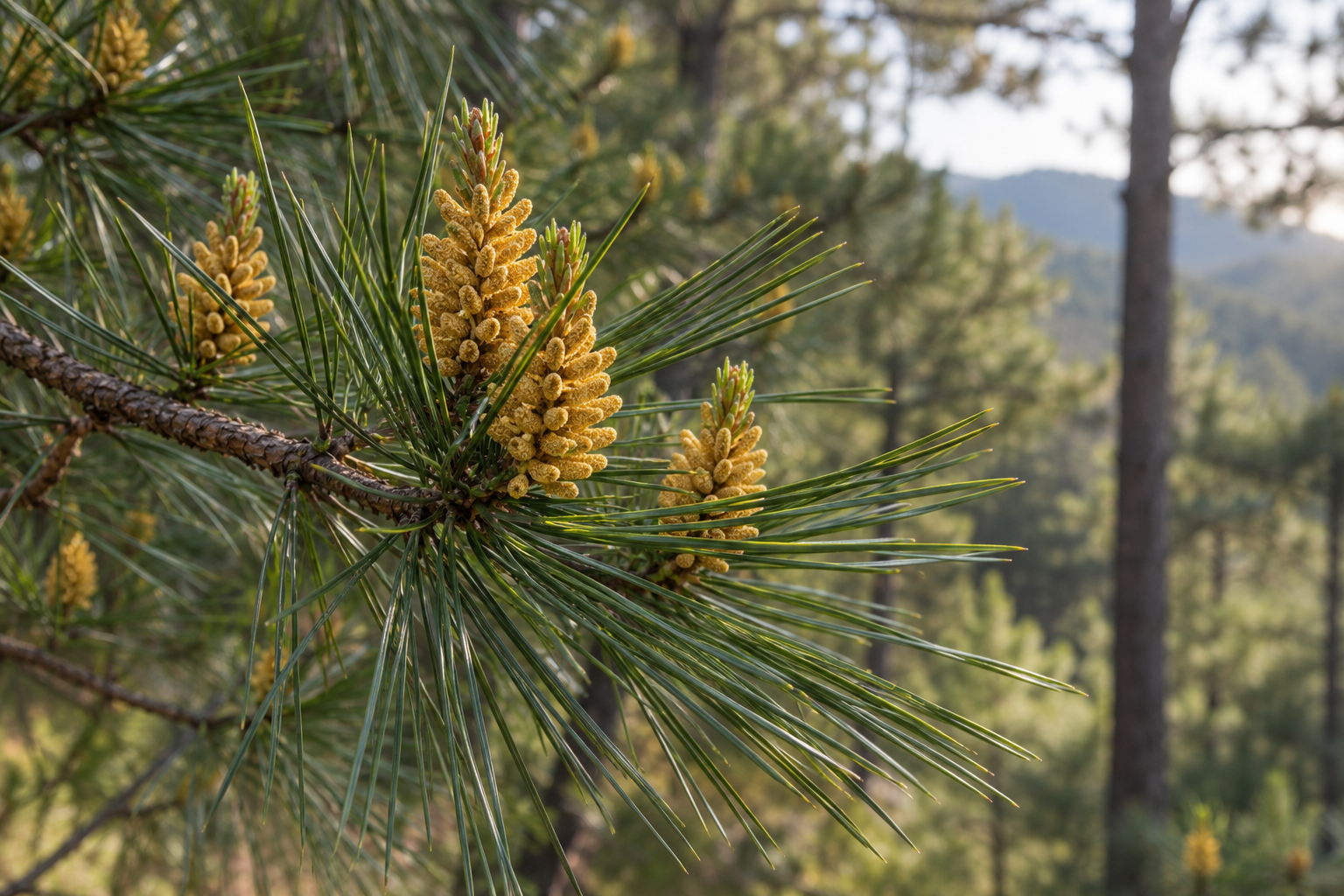
Begin with how pine pollen is produced, what it contains and why it is collected for use in botanical products. Learn the basics.
STEP 2 - FORM
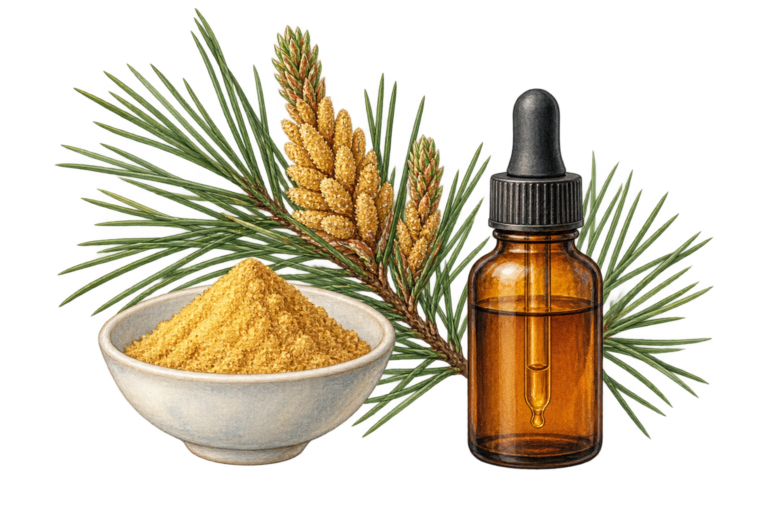
Compare pine pollen powder with liquid extracts, including how each form is prepared and how they differ in practical use.
STEP 3 - EVIDENCE
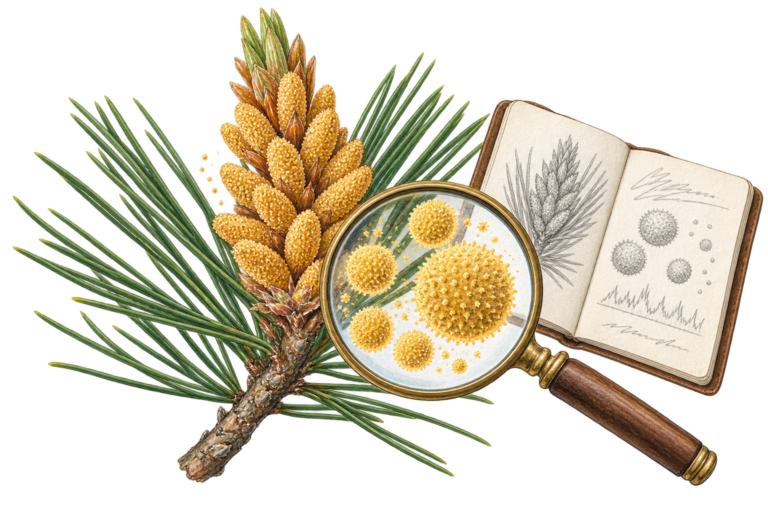
Examine the available evidence and learn the difference between laboratory findings, traditional use and human clinical research.
STEP 4 - SAFETY
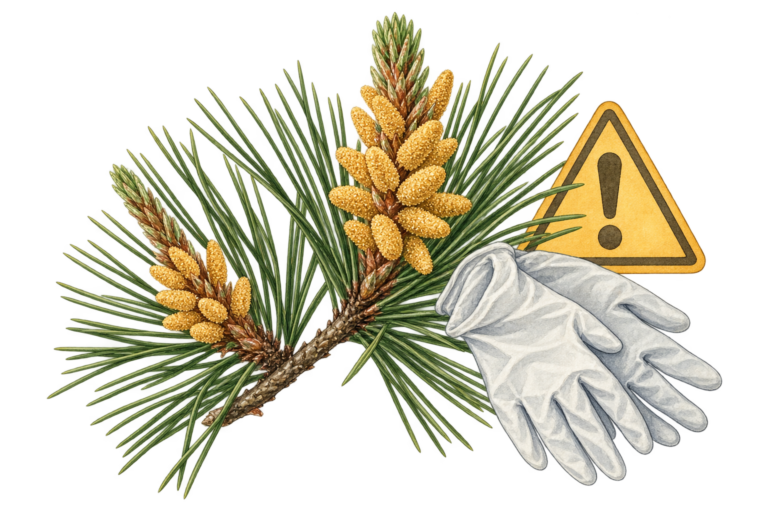
Review pollen allergies, possible side effects, medication considerations and other factors related to responsible use.
Explore by topic
Products
& Extracts
Compare powders, capsules, and tinctures while learning how different extraction methods work.
Research
& Evidence
Examine the available research and understand what the evidence does—and does not—show.
Safety
& Use
Learn about allergies, side effects, interactions, and other considerations for responsible use.
Quality
& Testing
Understand how sourcing, identification, contaminant testing, and lab reports help determine quality.
The Complete Guide to Pine Pollen
A clear, research-informed introduction to pine pollen—what it is, where it comes from, how powders and extracts differ, what the available evidence shows, and what to consider before choosing a product.
- What pine pollen is
- Pine species and botanical identity
- Powder, capsules and tinctures
- Research and evidence
- Safety and responsible use
- Sourcing, quality and testing